Physical Address
304 North Cardinal St.
Dorchester Center, MA 02124
Physical Address
304 North Cardinal St.
Dorchester Center, MA 02124

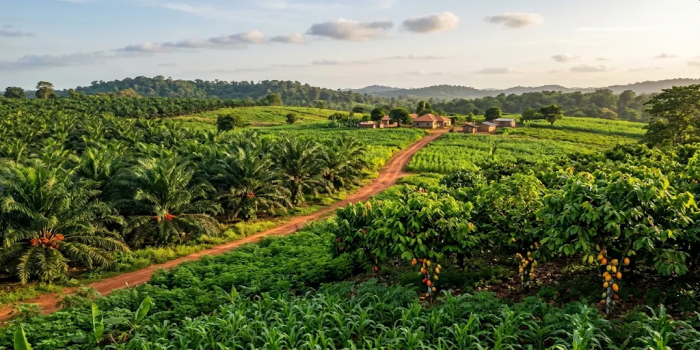
Agriculture is an important part of Ghana’s economy, but career opportunities in the sector extend well beyond traditional farming. From commercial agriculture and food processing to agribusiness, finance, logistics and agricultural development, the industry employs professionals with a wide range of qualifications and technical skills.
For many job seekers, agriculture may not be the first sector that comes to mind when considering a professional career. Some associate it mainly with fieldwork or farm management. However, the modern agricultural value chain depends heavily on professionals who can manage production operations, develop commercial markets, coordinate distribution networks, manage finances and support large-scale enterprise operations.
This means that graduates with specialized degrees in agriculture are not the only people who can build rewarding careers in the industry. Candidates with backgrounds in marketing, accounting, business administration, supply chain logistics and project management can also explore high-impact opportunities within Ghana’s agricultural sector.
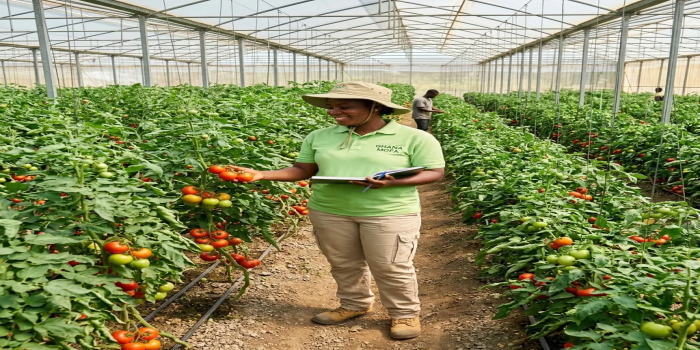
Agricultural employment covers several distinct sub-sectors, ranging from primary crop production and livestock management to industrial processing, transport logistics and commercial marketing. Understanding these different segments helps job seekers target roles that match their exact qualifications and professional interests.
Farm production represents the operational core of the sector. Commercial farms, plantations, livestock enterprises and agricultural estates require dedicated professionals to oversee daily operations and ensure that production targets are met efficiently.
Common positions in this operational segment include:
Responsibilities typically include supervising field teams, monitoring crop development, managing irrigation schedules, maintaining heavy equipment and planning seasonal production timelines. Because many of these roles are located in farming regions outside major urban centers, candidates should consider location, housing arrangements and travel requirements when applying.
Agribusiness companies connect farmers with the critical inputs, technology and services necessary for modern production. Businesses supplying seeds, fertilizers, crop protection products, machinery and farm technology require employees who understand both technical agriculture and commercial operations.
Key career opportunities in input supply include:
These professionals frequently conduct field visits, advise commercial farmers on input application, manage agro-dealer relationships and expand commercial distribution networks. Candidates who combine practical agronomic knowledge with strong business development skills are particularly competitive in this segment.
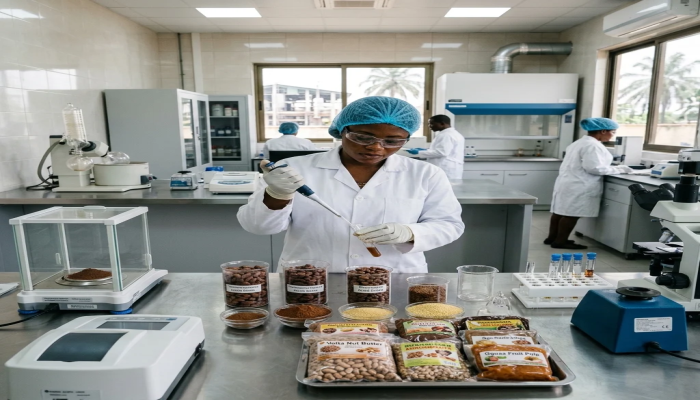
Agricultural produce frequently undergoes extensive processing before reaching domestic consumers or export markets. Food processing firms, livestock feed manufacturers, packaging plants and beverage producers rely on skilled technical professionals to keep processing facilities running smoothly.
Common roles within processing and manufacturing include:
Employees in food manufacturing play a critical role in maintaining product standards, minimizing post-harvest losses, enforcing safety protocols and ensuring continuous factory operations. Qualifications in food science, agricultural engineering, industrial chemistry or mechanical maintenance are highly valued in this area.
Transporting raw agricultural commodities from rural production hubs to urban processing centers, distribution warehouses and retail markets requires comprehensive supply chain planning.
Businesses operating in agricultural trade and logistics regularly recruit:
These professionals handle inventory management, supplier relations, transport scheduling and storage conditions (such as moisture levels and cold chain integrity). Experience in general logistics, procurement or inventory management provides a direct entry point into agribusiness, even without a formal agricultural degree.
Agricultural enterprises require structured financial management to handle operating cash flows, seasonal expenditure, credit risk and administrative oversight.
Administrative and financial roles include:
Given the seasonal nature of crop cycles and fluctuating market commodity prices, rigorous financial planning is essential for agricultural businesses. Candidates with backgrounds in accounting, corporate finance or business administration play a critical role in budgeting, financial reporting, risk assessment and operational decision-making.
Agricultural development initiatives create significant employment opportunities for professionals committed to community development, rural livelihoods and food security.
Non-governmental organizations (NGOs), development agencies and government-backed agricultural programs regularly hire:
These positions emphasize farmer capacity building, extension delivery, community engagement and program performance reporting. Strong communication skills, project management capabilities and stakeholder management expertise are vital. Candidates interested in development-focused agricultural roles can explore open opportunities on NGO Jobs in Ghana
.
Career progression within Ghana’s agricultural sector is dynamic and non-linear. Advancement depends heavily on specialized skills, practical experience and leadership capacity.
Developing a broad understanding of both technical agronomy and commercial business operations accelerates career advancement, enabling professionals to navigate complex supply chain challenges effectively.
While academic qualifications establish baseline eligibility, agricultural employers prioritize candidates who possess applied practical skills and operational problem-solving capabilities.
For field and technical roles, candidates need a solid understanding of crop husbandry, agronomy, soil fertility management, integrated pest management (IPM), irrigation techniques and livestock welfare. Practical exposure gained through industrial attachments, field research or hands-on farm management is highly regarded.
Agribusiness input suppliers and commodity trading firms seek professionals who can build long-term commercial relationships, identify new business leads, manage distribution networks and negotiate supply contracts. Combining technical agricultural literacy with commercial sales skills gives candidates a strong competitive edge.
Managing agricultural enterprises requires strong analytical and financial capabilities. Employers look for professionals who can prepare realistic production budgets, manage operational costs, analyze yield data and track financial performance across seasonal crop cycles.
With agricultural products being perishable, expertise in supply chain management including cold chain preservation, inventory control, route planning and warehousing is in high demand across food processing and distribution firms.
Modern agriculture increasingly relies on technology. Familiarity with farm management software, Geographic Information Systems (GIS), remote sensing tools, digital inventory systems and mobile extension platforms is becoming a major asset for career advancement.
Agricultural roles frequently involve interacting with diverse groups, including smallholder farmers, corporate executives, input dealers, government regulators and donor partners. Strong interpersonal communication, community facilitation and relationship management skills are essential.
Educational requirements vary significantly depending on the specialized functional area:
Because many agricultural roles involve supervising multi-location projects or visiting regional sites, possession of a valid driving license and willingness to travel are frequently listed as key job requirements.
Securing a role in Ghana’s agricultural sector requires a targeted job-search strategy:
Agriculture in Ghana plays a vital role in national economic development, food security and industrialization initiatives. Government initiatives directed by the Ministry of Food and Agriculture (MoFA)
focus on enhancing agricultural productivity, promoting domestic food processing, modernizing irrigation infrastructure and fostering sustainable agribusiness growth.
At the same time, international organizations emphasize sustainable employment standards and productivity growth within the sector. According to technical reports from the International Labour Organization (ILO)
, improving job quality, expanding skills training and integrating modern technology across agricultural value chains are vital steps toward building sustainable economic opportunities.
Ghana’s agricultural sector offers diverse, rewarding career pathways for professionals across technical, commercial, financial and administrative disciplines. Beyond traditional crop farming, the sector relies on dedicated talent to drive food processing, manage supply chains, market agricultural inputs, expand financial services and lead development programs.
Whether you are an agriculture graduate starting your career or an experienced professional looking to transition your skills into a vital economic sector, understanding the breadth of opportunities allows you to make informed career decisions. Explore open roles today on TalentEx Africa and take the next step toward a meaningful career in agriculture.